Water Extraction and Removal in Pahrump, NV
Every hour standing water sits, it soaks deeper into pad, drywall and subfloor. The extraction crew pulls it out with truck-mounted and portable units so the drying can start.
(888) 996-7702Get the standing water pulled out- Truck-mounted extraction
- Weighted wand passes
- Moisture mapped first
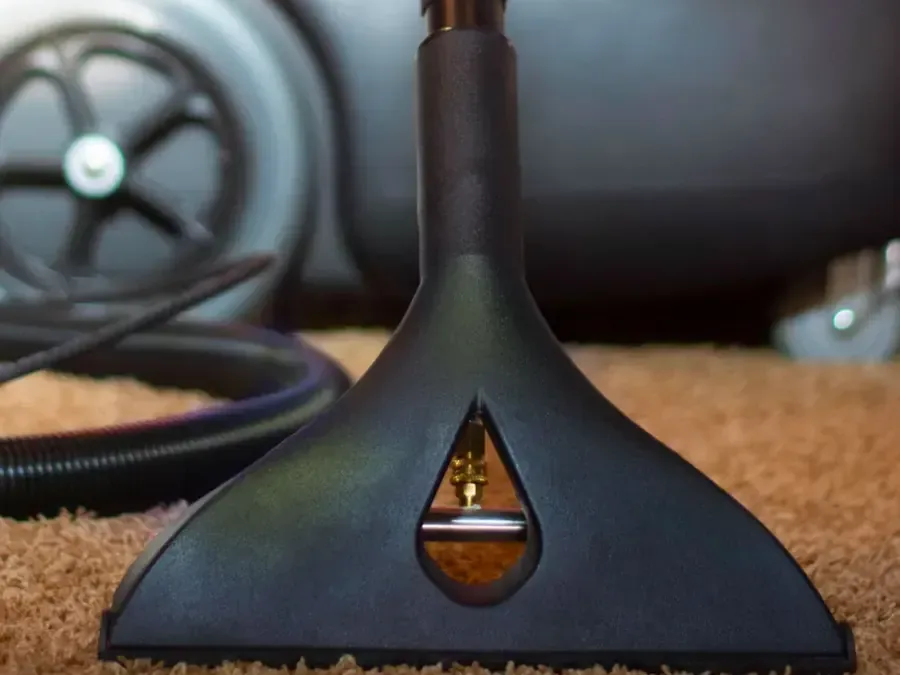
First steps for water extraction and removal
- 1
Stop the source
Close the main valve or switch off the well pump.
- 2
Keep off wet carpet
Walking on it pushes water deeper into the pad.
- 3
Lift what you can
Move furniture and rugs off the wet floor.
- 4
Call for extraction
Every hour of standing water adds drying time.
How the crew handles water extraction and removal
Extraction removes far more water than any amount of air movement. The extraction crew gets standing water out first, because every gallon left behind has to be evaporated later.
Still seeing water spread?
(888) 996-7702Pull the water out nowWhat does water extraction and removal cost in Pahrump, NV?
Water extraction typically runs $400 to $5,500 here, depending on how much floor is under water, the water category and whether the carpet and pad stay or come out.
These are typical figures, not a quote. Water category, wet square footage, material class and how soon drying began move the total most. The water damage cost calculator narrows it for your home.
One room, clean water
$400 to $1,200
- Wand extraction
- Pad left in place
- Moisture check
Several rooms
$1,200 to $3,000
- Truck-mounted unit
- Pad removal
- Floor cleaning
Flood or Category 3
$3,000 to $5,500
- Silt and mud removal
- Carpet and pad out
- Antimicrobial
How water extraction and removal is handled, step by step
Assess
Source, category and how far the water spread.
Extract
Truck-mounted or portable passes over every wet floor.
Remove
Pad, baseboards and wet materials that cannot dry.
Hand off to drying
Air movers and dehumidifiers set to the readings.
Truck-mounted or portable
A truck-mounted unit parks outside and runs hoses in, which suits a large flooded area. Portable extractors go where hoses cannot reach easily, such as a back bedroom on a big lot or the belly of a manufactured home.
- Carpet and pad: weighted wand or rider passes
- Tile and sealed concrete: squeegee wands and floor tools
- Under a manufactured home: pumps and wet vacuums through the belly
- Garages and patios: pumps for deeper water
Carpet and pad decisions
Clean water caught early can often be extracted and dried in place with the pad still down. Gray water usually means the pad comes out, and Category 3 water such as flash flood runoff means the carpet and pad both go. The EPA advises drying wet materials within 24 to 48 hours to prevent mold growth.
Mud and silt after a storm
Runoff from a desert storm carries sand and silt that settles as the water slows. The crew shovels and squeegees the solids out before extraction, then washes hard floors so the residue does not dry into them. Ready.gov lists safety steps for going back into a flooded home.
Trade fact: Extraction and drying are separate steps. Extraction removes liquid water; air movers and dehumidifiers then pull out what soaked into the materials.
Water extraction and removal across Pahrump and the valley
The restoration crew covers ZIP 89041, 89048, 89060 and 89061, from the Calvada Valley and Calvada Meadows grid through Hafen Ranch and the homes along Homestead Road and Basin Avenue to Mountain Falls and Artesia on the south side.
Outlying valley calls reach Sandy Valley and Amargosa Valley as well.
Other water problems the crew handles
How much water can extraction remove?
Most of the liquid water in carpet and pad, which cuts drying time by days. What soaked into drywall, framing and the slab still needs drying equipment.
Can my carpet be saved?
Often, when the water was clean and extraction started early. Gray water usually means new pad, and Category 3 water means the carpet and pad come out.
Why use a truck-mounted unit?
It has more suction than a portable machine and parks outside, so a large flooded area gets cleared faster. Portables reach the spots hoses cannot.
Is extraction the same as drying?
No. Extraction removes standing water; drying removes the moisture left in the materials with air movers and dehumidifiers, checked with daily readings.
What happens to mud after a flash flood?
Silt and mud are shoveled and squeegeed out first, then floors are extracted and washed, since flood water is Category 3.
Will insurance cover extraction?
Extraction after a sudden and accidental leak is often covered, while flood water usually needs flood coverage. Coverage depends on your policy, so check with your own insurer.
Water pooling inside? Get extraction started now.
Every hour the water sits soaks deeper into pad, drywall and subfloor. Extraction comes first, then drying to a reading.
Nye County, Nevada · every hour, every day