Water Damage Restoration Pahrump, NV
24/7 water damage restoration in Pahrump, NV. The extraction crew pulls flash flood water, slab leak water and septic backups out of the house, the drying team dries the structure to the IICRC S500 standard, and every reading goes into the insurance claim file.
(888) 996-7702Get desert-home water removal moving- Around-the-clock dispatch
- IICRC S500 structural drying
- Moisture logged every day
ZIP 89041, 89048, 89060 and 89061, from the Calvada grid to Mountain Falls and Artesia.
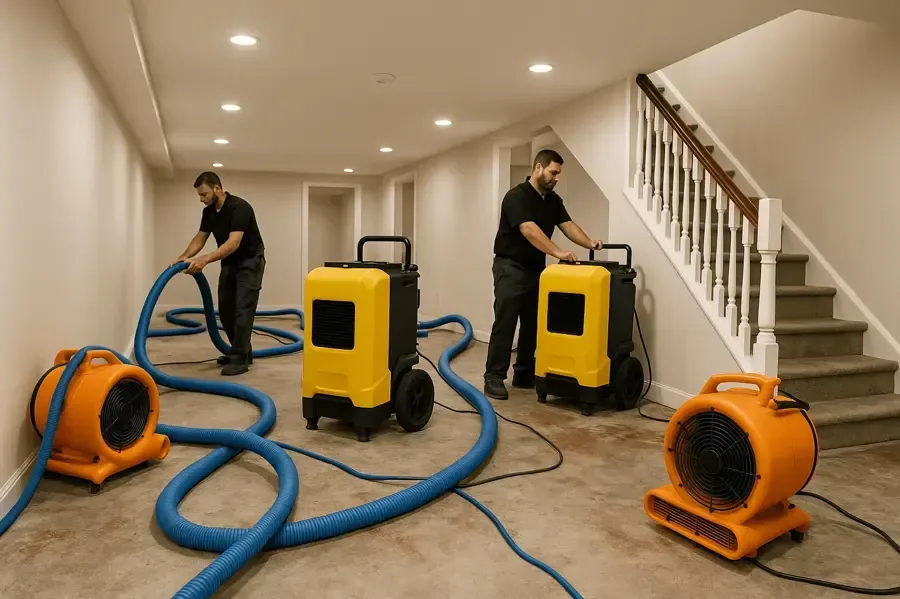
What to do while the water is still spreading
- 1
Stop the source
Close the main valve or the valve at the failed fixture. On a private well, switch off the pump breaker and close the valve past the pressure tank.
- 2
Make the power safe
Turn off breakers to wet rooms only if the panel sits in a dry spot. Never step into water near outlets or cords.
- 3
Treat outside water as dirty
Monsoon runoff and sewage carry bacteria. Keep children and pets away, and wear gloves and boots if you have to go in.
- 4
Photograph before moving anything
Take wide shots and close-ups of every wet room, the source and damaged belongings for the claim file.
- 5
Call for extraction
Water creeps under baseboards and into the bottom of drywall fast. The sooner extraction starts, the more of the house stays dryable.
Water Damage Restoration Services in Pahrump, NV
Twelve kinds of water loss, from monsoon runoff at the door to a pinhole leak under the slab. Each one gets the method its source calls for.
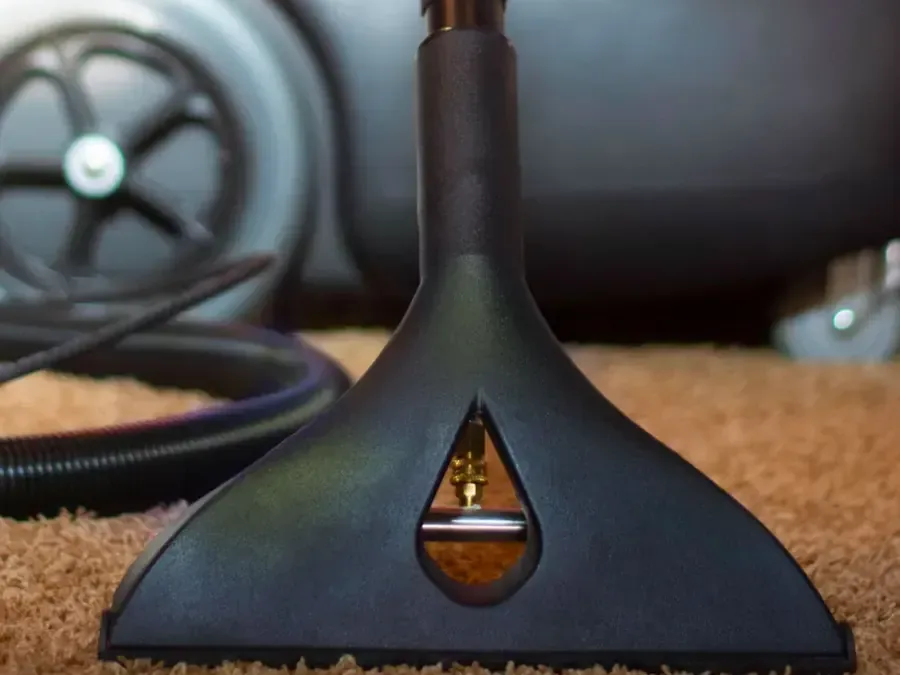
Water Extraction and Removal
Standing water pulled from carpet, pad and tile with truck-mounted and portable units.
How it is handled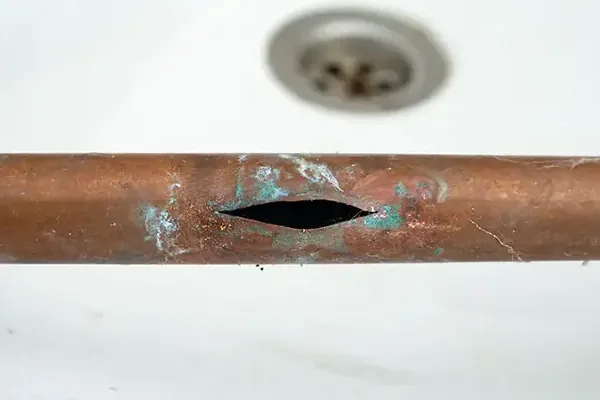
Slab Leak Water Damage
Leaks under the concrete traced, wet flooring and wall bottoms opened, the slab edge dried.
How it is handled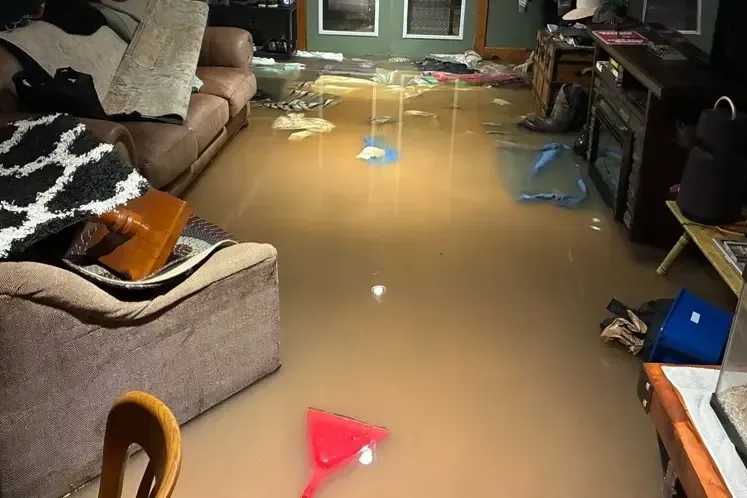
Flash Flood Cleanup
Muddy monsoon runoff treated as Category 3, soaked materials removed, rooms dried.
How it is handled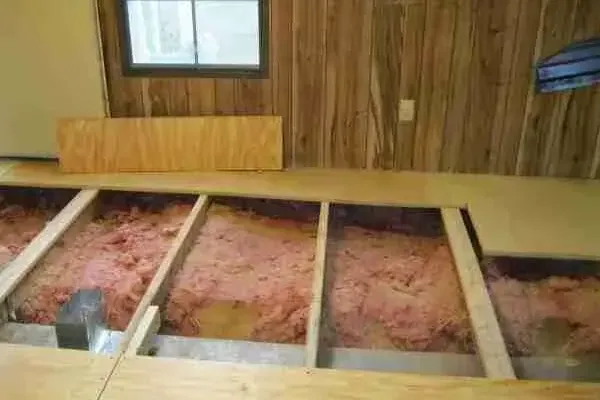
Manufactured Home Water Damage
Leaks under the floor found, soaked belly insulation pulled, decking and joists dried.
How it is handled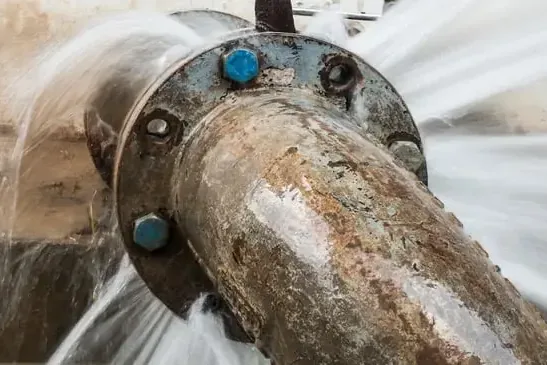
Burst Pipe Water Damage
Pressurized pipe and fitting failures extracted, wall cavities opened where readings point.
How it is handled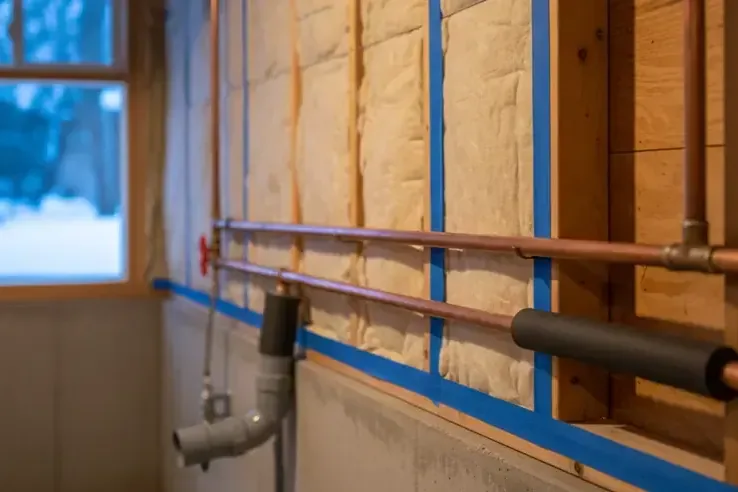
Frozen Pipe Water Damage
Pipes split on a freezing night, found at the thaw, extracted and dried.
How it is handled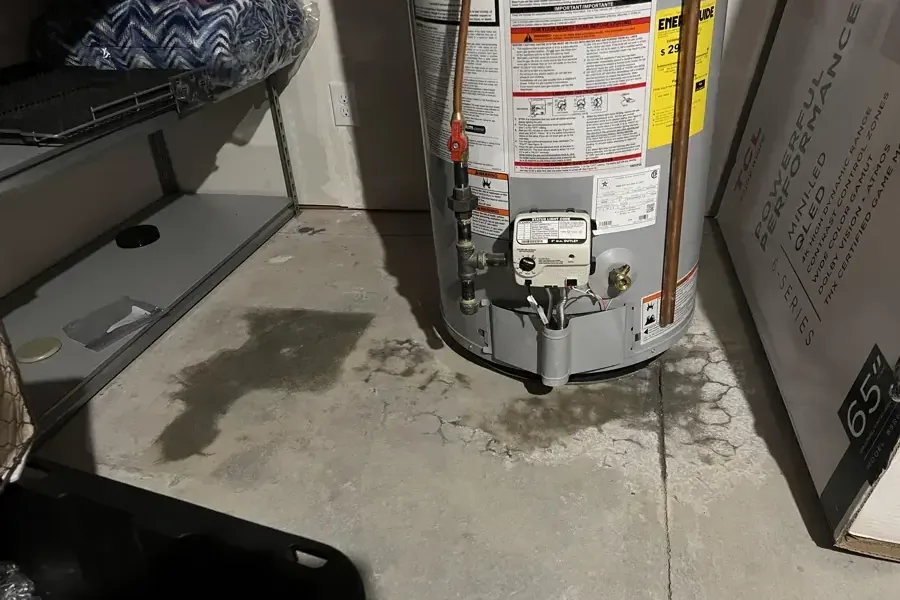
Water Heater Leak Cleanup
Scale-worn tanks that let go in garages and closets, extracted and dried.
How it is handled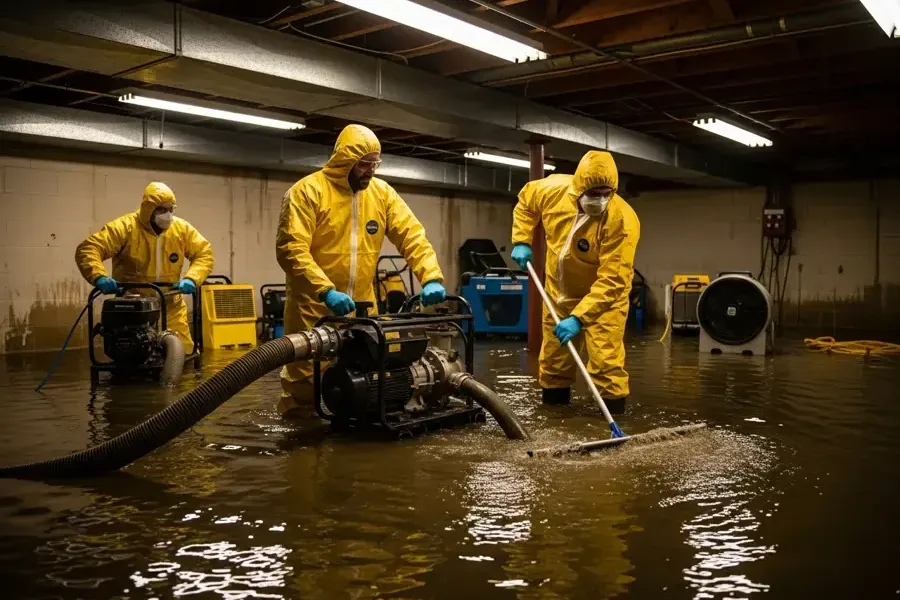
Sewage and Septic Backup Cleanup
Septic and sewer backups contained, porous materials removed, surfaces disinfected.
How it is handled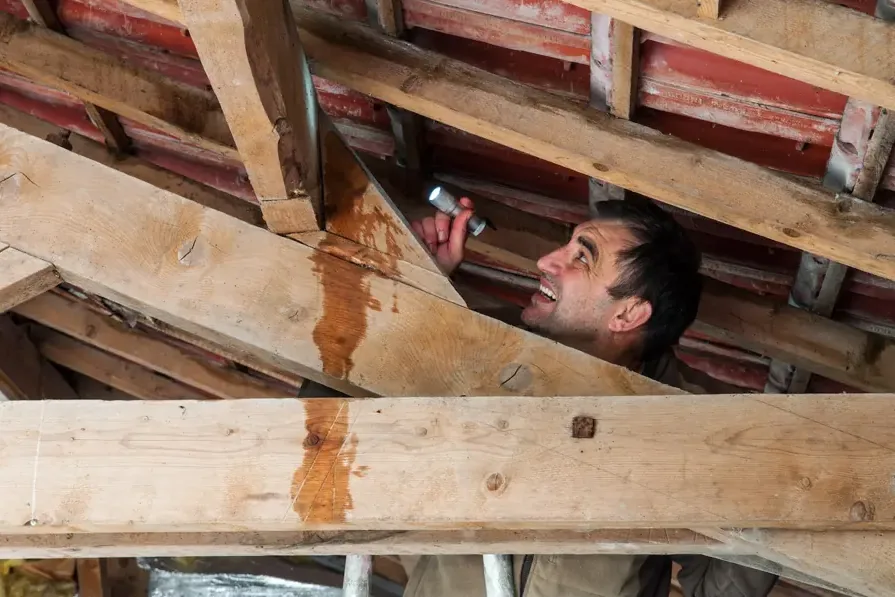
Roof Leak Water Damage
Monsoon downpours through flat and low-slope roofs, wet insulation pulled, ceilings dried.
How it is handled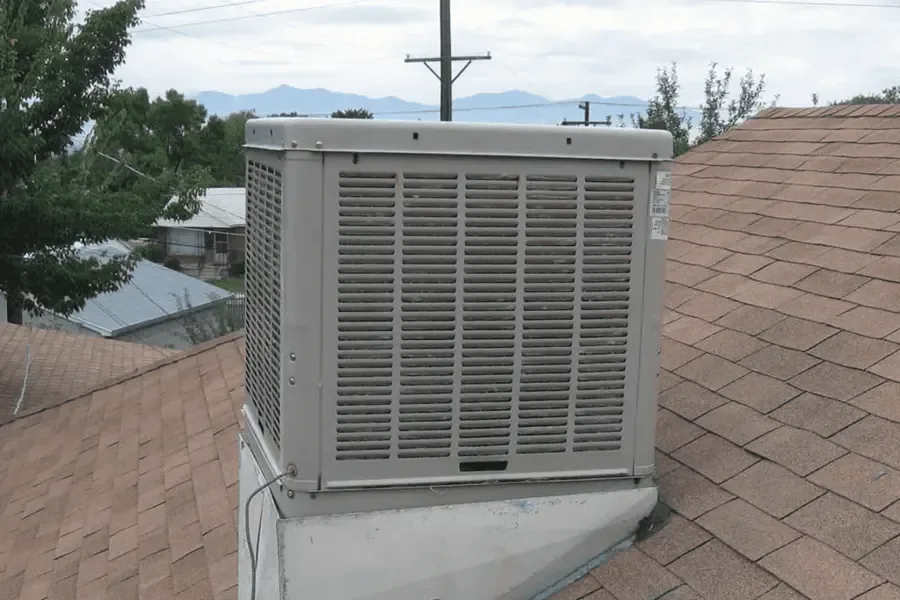
Swamp Cooler Leak Water Damage
Evaporative cooler overflows and supply leaks dried out of ceilings and walls.
How it is handled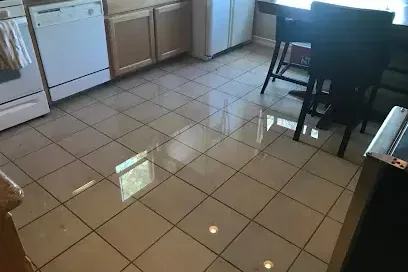
Appliance Leak Water Damage
Washer, dishwasher, refrigerator and water softener leaks dried under floors and cabinets.
How it is handled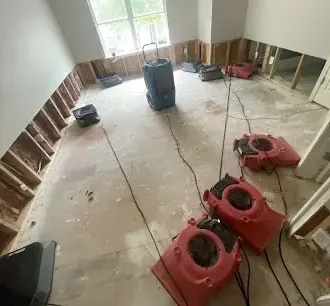
Structural Drying and Dehumidification
Framing, wall bottoms and subfloor dried to within 2 to 4 points of a dry reference.
How it is handledWhat does water damage restoration cost in Pahrump, NV?
Water damage restoration here typically runs $1,100 to $32,000. A clean-water leak caught early sits at the low end, while a slab leak under finished flooring, a flash flood through several rooms or a septic backup climbs toward the top.
These are typical ranges, not quotes. The drivers are the water category, square footage, material class and how fast drying started. Try the water damage cost calculator for your own numbers.
Contained clean-water leak
$1,100 to $4,200
- One or two rooms
- Extraction and drying in place
- Daily moisture readings
Several rooms or gray water
$4,200 to $12,500
- Pad and baseboard removal
- Wall-bottom drywall cuts
- Antimicrobial treatment
Flash flood or sewage loss
$12,500 to $32,000
- Category 3 removal
- Containment and HEPA scrubbers
- Extended equipment time
How the restoration crew handles a water loss in the valley
Water in a desert home rarely stays where it lands. A slab leak spreads under tile and into the bottom of the drywall, a summer storm pushes mud under the doors, and a leak under a manufactured home soaks the belly insulation before anyone notices. The walkthrough follows the water, not the stain.
Rapid local response
The response team dispatches 24/7, and active water is treated as urgent at any hour, weekends and holidays included.
IICRC S500 drying standard
Structural drying, not just surface drying, with equipment sized to the class of loss and left running until readings say dry.
Claim-ready documentation
Moisture maps, daily psychrometric logs and timestamped photos taken before any material comes out.
Desert water know-how
Slab leaks, monsoon runoff, septic backups and leaks under manufactured homes are the usual losses here.
All water damage categories covered in Pahrump, NV
Category 1: clean water
Supply pipes, slab leaks and water heaters. Caught early, most materials can be dried in place with air movers and dehumidifiers.
Burst pipe water damageCategory 2: gray water
Washer, dishwasher and toilet overflows carry some contamination, so carpet pad usually comes out and surfaces get an antimicrobial.
Appliance leak water damageCategory 3: black water
Septic backups, sewage and flash flood runoff. Porous materials it touched are removed, not dried, and the crew works in protective gear.
Sewage and septic backup cleanupWhat a water damage dry-out looks like in Pahrump
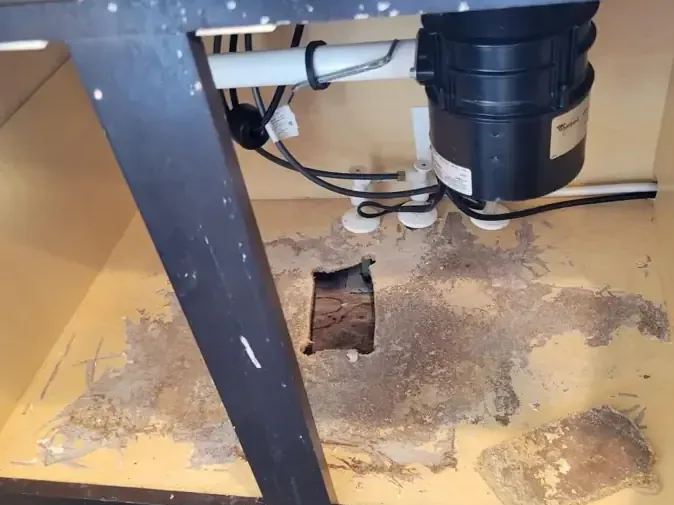
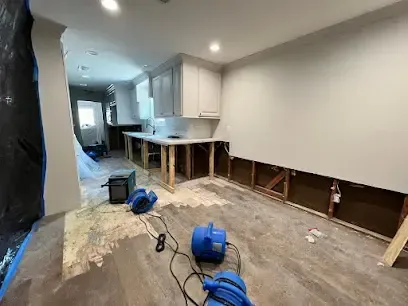
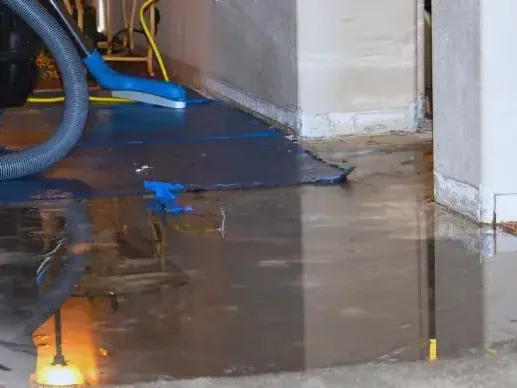
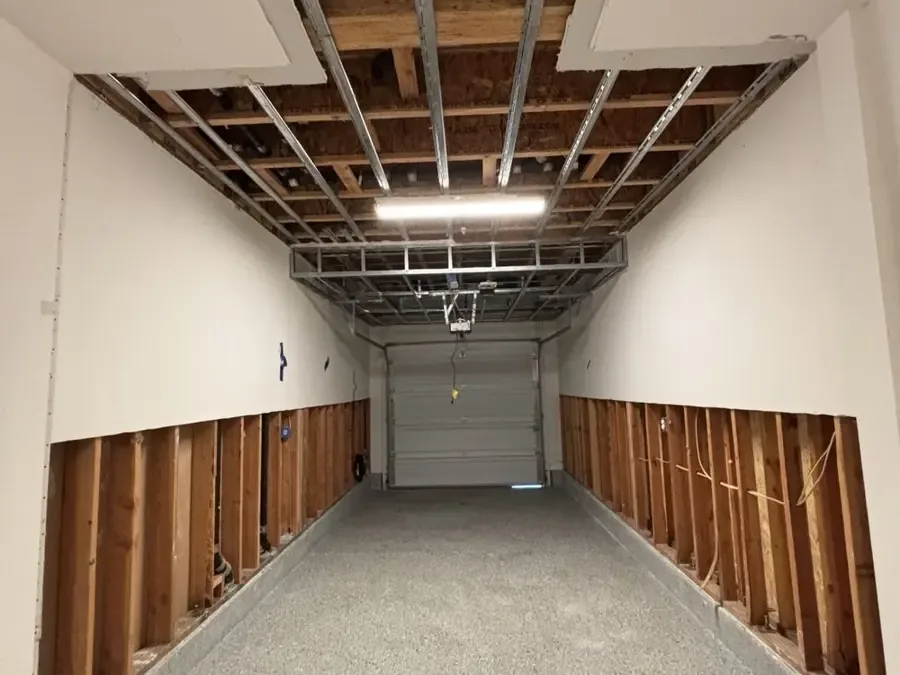
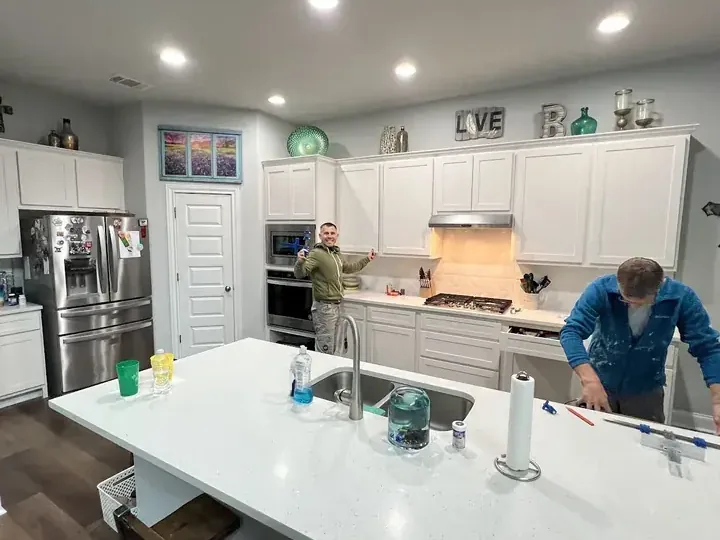
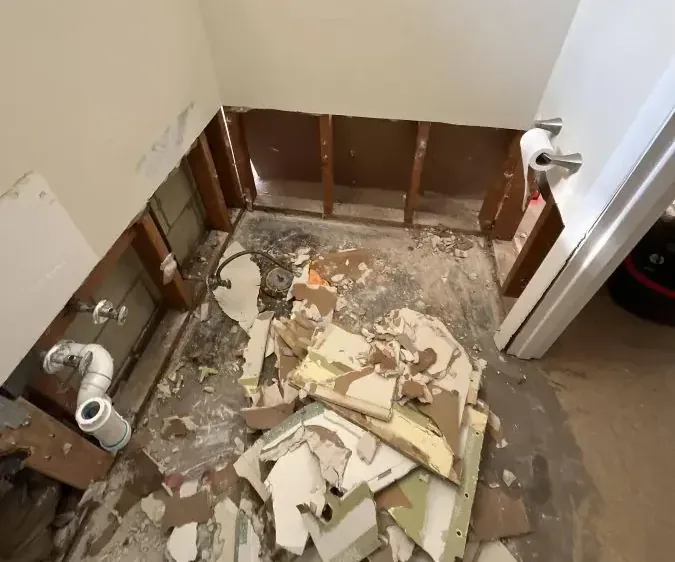
Water damage dried to the IICRC S500 standard
Dry desert air helps a dry-out, but it does not reach inside a wall, under tile or beneath a manufactured home. The drying team measures every day and leaves the equipment running until wet materials match a dry reference.
- Daily moisture readings
- LGR dehumidifiers
- Thermal imaging
Map the moisture
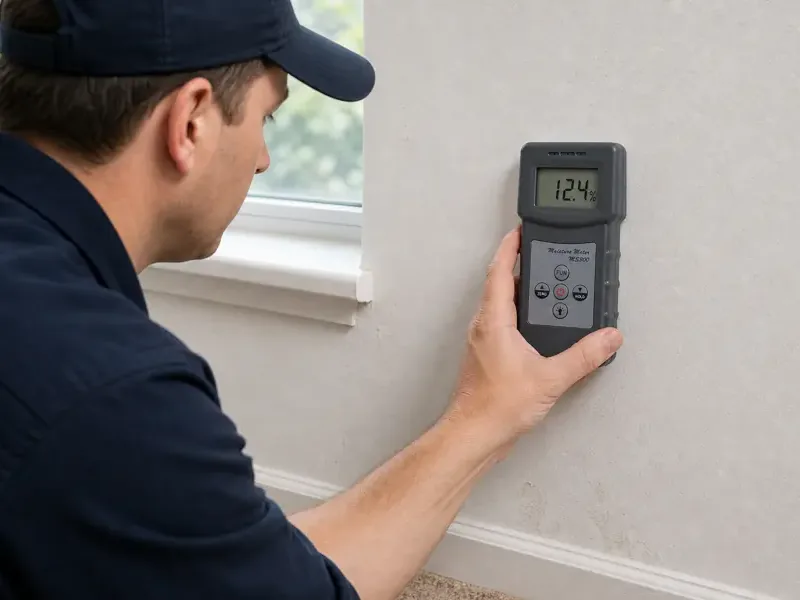
The tech who does the walkthrough traces wet materials with pinless meters and thermal imaging, including slab edges and the floor of a manufactured home.
Extract
The extraction crew removes standing water from carpet, pad, tile and the belly of a manufactured home with truck-mounted or portable units.
Set the drying plan
The drying team places air movers and LGR dehumidifiers to match the room's evaporation load, with containment where materials are contaminated.
Verify dry
Daily readings go into the log, and equipment comes out only when materials read within 2 to 4 points of a dry reference.
Documentation for your insurance claim
A water claim is decided on what the file shows. A complete claim file for a valley home carries these records.
- The moisture map from the first visit, marking every wet material, slab edge and wall cavity
- Daily psychrometric logs showing temperature, humidity and moisture readings until dry
- Timestamped photos of the source and every room before any demolition
- The water category and class of loss, recorded on the first day
- An itemized, Xactimate-style scope of extraction, removal and drying
Check your own policy
A sudden and accidental discharge, such as a burst supply pipe or a failed water heater, is usually treated differently from surface water, which falls under flood coverage. Septic and sewer backup often needs its own endorsement, and a slow leak that ran for months may be excluded.
Coverage depends on your policy, so check with your own insurer. Keep receipts for any emergency steps you take, and let the adjuster see damaged materials or photos of them before they are thrown out.
Water damage restoration across Pahrump and the valley
Neighborhoods and corridors
ZIP codes
Nearby communities
Water damage in Pahrump, NV: the local risk profile
The town spreads across a high desert valley below the Spring Mountains, at about 2,700 feet. Rain is scarce in a normal year, but when a summer storm stalls over the mountains, the water comes down the washes all at once.
- Monsoon flash floods: July to September storms send muddy runoff down alluvial washes and across open lots; the county flood study records major floods in 1983, 1997 and 2003.
- Slab-on-grade homes: Many site-built houses sit on a concrete slab, so a supply pipe leak underneath spreads under tile and wicks up the drywall before it shows.
- Manufactured homes: A large share of local housing is manufactured, and a leak under the floor soaks the belly insulation out of sight.
- Hard well water: Mineral-heavy groundwater scales up water heaters, valves and fittings, which shortens their life and sets up leaks.
- Wells and septic tanks: Thousands of homes run on a private well and a septic tank, so a full or failed system can push sewage back into the house.

What should I do in the first hour after finding water?
Stop the source at the main, the fixture or the well pump breaker, make the power safe if the panel is dry, keep out of runoff and sewage, take photos and call. Extraction that starts early keeps more of the house dryable.
How fast does someone respond in the valley?
Dispatch runs 24/7 and active water is treated as urgent at any hour. Timing depends on the day, the roads and how many homes a storm has hit.
Does dry desert air mean the house dries on its own?
No. Low humidity helps surfaces, but water trapped under tile, inside walls and under a manufactured home stays wet for days without extraction, air movement and dehumidification. Damp materials can start growing mold within 24 to 48 hours.
How do I know if a slab leak is behind the damage?
Warm spots on the floor, the sound of running water with every tap off, damp baseboards or a well pump that runs when nothing is on all point to a leak under the slab. A leak detection plumber confirms it, and the slab leak drying crew dries what it soaked.
Why is flash flood water handled like sewage?
Runoff picks up soil, septic overflow, animal waste and chemicals on its way down the washes. The IICRC S500 treats it as Category 3, so soaked carpet, pad and drywall come out instead of being dried. See flash flood cleanup for the full process.
What is the IICRC S500?
It is the industry standard for water damage restoration. It sets how water is categorized, how drying equipment is sized and when a material counts as dry.
How long does drying take?
A contained Class 1 loss usually dries in three to five days. Wall bottoms over a wet slab, hardwood and flooded manufactured-home floors take longer, and the readings decide when equipment comes out.
Will insurance pay for water damage?
Sudden and accidental leaks are often covered. Flash flood water usually needs separate flood coverage, and septic backup may need an endorsement. Coverage depends on your policy, so check with your own insurer.
What is the difference between mitigation and repair?
Mitigation stops the damage: extraction, removal of ruined materials and drying. Repair puts the home back with new drywall, flooring and paint, and it starts once the readings say dry.
Do pipes really freeze here?
Yes. Clear winter nights in the valley often drop below freezing, and pipes under manufactured homes, in exterior walls and at hose bibs can split. The leak usually shows at the thaw, which is when frozen pipe cleanup begins.
Water damage in Pahrump? Start the drying today.
Every hour water sits, more pad, drywall and belly insulation has to come out. The extraction crew removes the water, and the drying team sets up and logs readings until the house is dry.
Nye County, Nevada · every hour, every day