Flash Flood Cleanup in Pahrump, NV
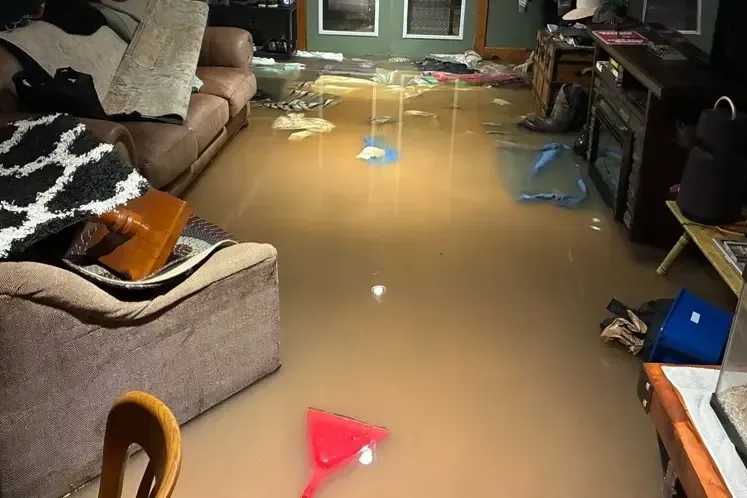
A summer storm over the Spring Mountains can send muddy runoff through the door with little warning. The flood cleanup crew removes the mud and the soaked materials, then dries the house to a reading.
(888) 996-7702Start flood water cleanup- Category 3 protocols
- Mud and silt removal
- HEPA air scrubbers
First steps for flash flood cleanup
- 1
Stay out of moving water
Never walk or drive through flowing runoff.
- 2
Cut power if safe
Only if the panel is dry and reachable.
- 3
Wear boots and gloves
Flood water is Category 3.
- 4
Photograph the high-water mark
Photos before cleanup help the claim.
How the crew handles flash flood cleanup
Flood water from outside is Category 3 from the moment it crosses the threshold. It carries soil, septic overflow and whatever it picked up on the way down the wash, so the flood cleanup crew removes what it soaked instead of drying it.
Still seeing water spread?
(888) 996-7702Begin flood cleanup nowWhat does flash flood cleanup cost in Pahrump, NV?
Flash flood cleanup typically runs $3,000 to $40,000, depending on how many rooms took water, how deep it rose and how much drywall, insulation and flooring has to come out.
These are typical figures, not a quote. Water category, wet square footage, material class and how soon drying began move the total most. The water damage cost calculator narrows it for your home.
Garage or one room
$3,000 to $8,000
- Mud removal
- Flood cuts
- Antimicrobial
Several rooms
$8,000 to $20,000
- Carpet and pad out
- Insulation removal
- Containment
Whole-home flood
$20,000 to $40,000
- Full flood cuts
- Cabinet removal
- Extended drying
How flash flood cleanup is handled, step by step
Make safe
Power, gas and entry checked first.
Muck out
Mud, silt and standing water removed.
Remove and clean
Porous materials out, surfaces treated.
Dry and verify
Structure dried to a dry reference.
How desert floods reach a house
The valley floor is built on alluvial fans that spread out from the mountains. When a thunderstorm dumps rain on hard, dry ground, water runs off fast and follows the washes, streets and driveways toward low spots. Homes near a wash, on a low lot or with a garage below the street take the worst of it.
- Water under exterior doors and garage doors
- Mud and silt across tile and carpet
- Wet drywall bottoms and insulation
- Flooded HVAC returns and water heater closets
Mud out, then dry
The crew shovels and squeegees out silt, extracts the water, then cuts drywall above the wet mark and pulls soaked insulation, carpet and pad. Hard surfaces are cleaned and treated with an EPA-registered antimicrobial before air movers and dehumidifiers go in. The National Weather Service explains flash flood warnings and safety.
Know your flood zone
Flood risk differs from lot to lot in the valley. The FEMA flood maps page explains how to look up the mapped flood zone for a property, which also shapes whether flood insurance applies.
Trade fact: Standard homeowners policies usually exclude surface water from a flash flood. Flood coverage is a separate policy, often through the National Flood Insurance Program.
Flash flood cleanup across Pahrump and the valley
The restoration crew covers ZIP 89041, 89048, 89060 and 89061, from the Calvada Valley and Calvada Meadows grid through Hafen Ranch and the homes along Homestead Road and Basin Avenue to Mountain Falls and Artesia on the south side.
Outlying valley calls reach Sandy Valley and Amargosa Valley as well.
Other water problems the crew handles
Why can't flooded carpet be dried and kept?
Flood runoff is Category 3. Carpet, pad and other porous materials it soaked are removed under the IICRC S500 because cleaning cannot make them safe.
How high are walls cut after a flood?
Usually a little above the highest wet reading, often 2 to 4 feet up. Meters decide, not a fixed height.
Does homeowners insurance cover flash flooding?
Usually not. Surface water is typically covered only by a flood policy. Coverage depends on your policy, so check with your own insurer.
How long does flood drying take?
Often five to ten days after the mud and wet materials are out. Concrete and dense materials can take longer, and readings decide.
Is it safe to clean up flood mud myself?
It carries bacteria and debris. If you do any of it, wear boots, gloves and eye protection, and keep children and pets away.
When is flash flood season here?
Mostly the summer monsoon, July to September, though tropical remnants and winter storms have flooded the valley too.
Flash flood inside the house? Get the mud and water out.
Flood water keeps soaking drywall and insulation while it sits. The crew removes it, cleans and dries to a reading.
Nye County, Nevada · every hour, every day